


As the population of Guildford grew in the nineteenth century, houses were built in Stoke Parish on either side of the Epsom Road and the suburb of Charlotteville was developed in the south of Holy Trinity Parish. Churches, meeting halls, public houses, shops etc. were also provided to meet the needs of the local inhabitants.
Christchurch in Waterden Road was built during 1866 – 68, although not completed until 1899. The Charlotteville Mission Room in Addison Road, built in 1886 (and demolished in 1963,) was used as a meeting place for various organisations as well as for a Working Men’s Club and for Sunday services until it became St. Luke’s Church. It is even believed to have been used by the Royal Grammar School during the Second World War as a dining room for the pupils!
However the main social centres were the public houses.
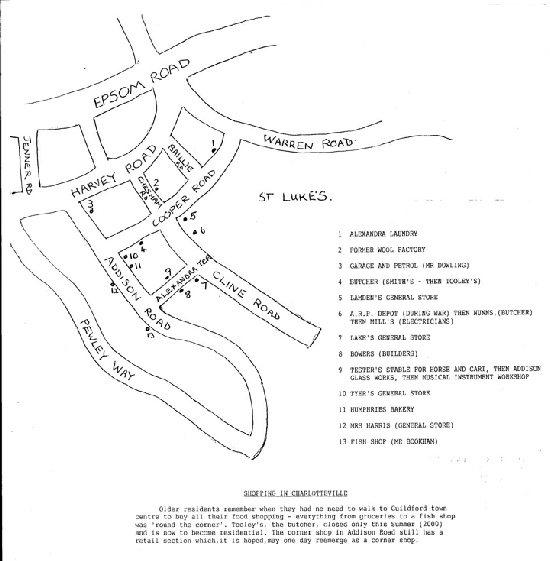
A self-contained village: shops and businesses which served Charlotteville within living memory. Information base on contributions by Mrs Ivy Hopkins and Mrs Beattie Wittebolle
Founding Fathers
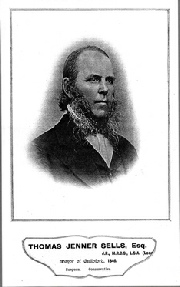
Thomas Jenner Sells
The entrepreneur who created Charlotteville – named after his wife Charlotte.
(Photo courtesy of Guildford Institute of the University of Surrey)
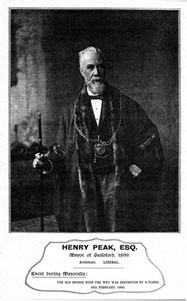
Henry Peak
The architect who developed Charlotteville for Dr Sells.
(Photo courtesy of Guildford Institute of the University of Surrey)
A Question of Tar Paving (29/5/86)
The Paving Committee reported with regard to the repair of footpaths that the Surveyor had stated that the tar paving could not be carried out efficiently by Board servants or the local tradesmen and had suggested that the whole of the footways of Charlotteville could be laid with Holman’s paving at an estimated cost of £900. Mr. Coleman suggested gutters to take the water into the channels in the steep part of Charlotteville.